April 22 marks the 57th Earth Day. This year’s theme is “Cherish Natural Resources and Build a Beautiful China.”
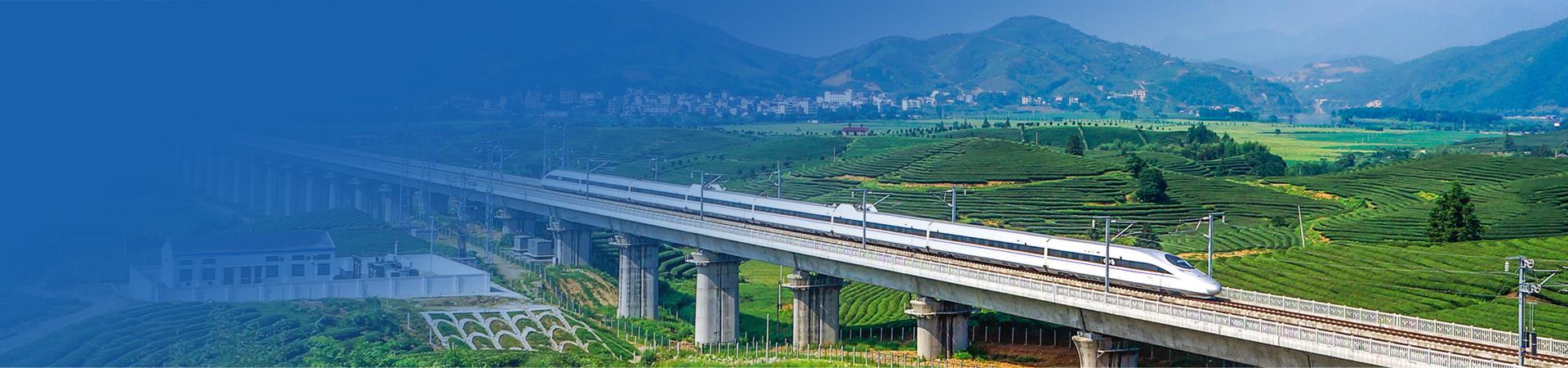
Rippling blue waters and gently swaying reeds make Yangcheng Lake a treasured ecological gem of the Jiangnan water region. As a key control project of the Nantong–Ningbo High-Speed Railway, the Suyu Grand Bridge crosses the Yangcheng Lake Water Source Protection Area, including a 5.3-kilometer section constructed over water. Building this vital transportation corridor without polluting the lake became a crucial challenge for the builders of China TIESIJU Civil Engineering Group.
Before construction began, the project team worked closely with environmental authorities to conduct specialized ecological surveys, identify the distribution of aquatic species in the lake, optimize construction routes, and avoid sensitive periods such as fish spawning seasons, thereby minimizing ecological disturbance.
To address the risk of slurry pollution during pile foundation construction in water, the project team abandoned traditional treatment methods and established a dedicated slurry solidification center. Equipped with facilities capable of processing 70 cubic meters of slurry per hour, the center collected and solidified all slurry generated by the project’s 1,469 bored piles, treating more than 180,000 cubic meters in total. This ensured that no slurry was discharged into the environment and achieved zero wastewater discharge. The solidified material was subsequently recycled and reused, turning waste into a valuable resource.
During overwater construction, the project team optimized the steel trestle design by increasing bridge spans from 32 meters to 40 meters, thereby reducing contact with the water surface. An environmentally friendly structure consisting of steel pipe piles, Bailey panels, and high-strength concrete deck slabs was adopted. This reusable construction method not only improved sustainability but also significantly reduced disturbances to the lakebed and aquatic ecosystem. In addition, 1,200 meters of protective fencing were installed around the trestle, and environmentally friendly wheel-washing facilities were set up along the shoreline. All construction vehicles were required to undergo thorough cleaning before leaving the site, with more than 8,000 vehicle washings completed to prevent sediment from entering the lake.
To avoid disturbing aquatic life, the project team implemented strict controls on construction noise and vehicle operations. Noise monitoring equipment was installed throughout the construction area, staggered construction schedules were adopted, and high-noise operations during nighttime hours were prohibited, ensuring that noise levels remained below 60 decibels. Speed monitoring systems around the lake restricted construction vehicles to no more than 30 kilometers per hour, reducing dust and noise impacts on aquatic species. Meanwhile, an Internet of Things-based water quality monitoring system was deployed to continuously monitor eight key indicators, including ammonia nitrogen, chemical oxygen demand, total phosphorus, and total nitrogen. More than 30 inspections were also conducted to detect and prevent oil contamination.
The project team also established a dedicated environmental protection task force, holding 12 environmental meetings and training sessions attended by more than 1,500 participants. Environmental requirements were integrated into every position and construction process, ensuring that every builder became a guardian of the ecosystem.
From the shores of Yangcheng Lake to southern China, and from high-speed railway bridges to building construction projects, China TIESIJU Civil Engineering Group has consistently implemented Xi Jinping Thought on Ecological Civilization, steadfastly pursuing a path of ecological priority and green development while integrating the principle that “lucid waters and lush mountains are invaluable assets” throughout every stage of project construction.
The Fujian Section 3 package of the Zhangzhou–Shantou High-Speed Railway, constructed by China TIESIJU Civil Engineering Group, spans 27.17 kilometers and is located adjacent to environmentally sensitive areas including the Zhangjiangkou National Mangrove Nature Reserve. During construction, the project team adhered to the principle of ecological priority by adopting slurry recycling systems for pile foundation works, separating sediment for off-site disposal to reduce marine pollution. Construction activities near protected areas avoided high-tide periods, while strict controls were implemented to prevent the spread of suspended sediments. Interception ditches and sedimentation ponds were installed on land to prevent muddy runoff from entering mangrove habitats. The project also enhanced underwater noise monitoring and established a graded protection mechanism for Chinese white dolphins, activating acoustic guidance measures within a one-kilometer radius and suspending construction activities within 500 meters whenever necessary.
The Binjiang C Cluster Commercial Project in Yibin’s Sanjiang New Area, built by China TIESIJU Civil Engineering Group, is situated along the Yangtze River. During construction, the project team implemented ecological slope protection and vegetation restoration measures to stabilize soil and prevent erosion. Rare plant species potentially affected by construction activities were carefully relocated and protected to preserve biodiversity. The project also innovatively adopted specialized crack-resistance technologies, including unbonded prestressing systems and basalt anti-cracking fibers, reducing the risk of harmful substances infiltrating soil and water resources from the structural source.
Section 1 of the Xining–Chengdu Railway (Gansu Section), undertaken by China TIESIJU Civil Engineering Group, is located in a high-altitude region with a relatively fragile ecological environment. During construction within protected areas, the project pioneered the use of new-energy equipment, establishing dedicated charging and support facilities while deploying electric loaders, dump trucks, and other machinery. Topsoil was completely stripped, stored centrally, protected with rigid fencing, and marked for future land reclamation. Turf was also professionally removed, transplanted, and restored to accelerate ecological recovery. In addition, wastewater treatment stations were installed at tunnel portals based on maximum expected water inflow volumes, while underground domestic sewage treatment systems were established at construction camps. Treated wastewater was discharged only after meeting standards or reused for landscaping irrigation, effectively preventing water pollution.
The Yaohai District EOD Environmental Rehabilitation Project in Hefei, constructed by China TIESIJU Civil Engineering Group, focuses on dredging and clearing a 9.1-kilometer section of the Ershibu River. Throughout construction, the project team adhered to ecological priority principles, combining hydraulic dredging with precision manual excavation to strictly control environmental disturbance and ensure that “dredging protects riverbanks and construction preserves greenery.” The project also established a sludge drying facility equipped with plate-and-frame filter presses to achieve efficient solid-liquid separation, significantly reducing sludge moisture content and improving river water quality through green construction practices.
The Urban-Rural Integrated Water Supply Project in Dangshan County, Anhui Province, undertaken by China TIESIJU Civil Engineering Group, includes approximately 920 kilometers of pipeline networks running through areas rich in forest resources, with orchard sections accounting for nearly 30 percent of the total route length. During construction, the project team carefully adjusted work schedules to avoid critical pear blossom pollination periods, minimizing impacts on orchard growth. At the same time, water transmission routes were optimized and assistance was provided to local farmers in transplanting more than 180 mu of fruit trees, helping safeguard valuable local orchard resources.
The Guangdong Water Resources Allocation Project Around the Beibu Gulf is a key component of China’s national water network, with a total water conveyance route length of approximately 490 kilometers. The A5 package constructed by China TIESIJU Civil Engineering Group includes the Guizi and Silun branch tunnels, which are located in areas rich in forest and water resources. To address potential pH exceedances in tunnel construction wastewater, the project established a six-stage sedimentation system and a dedicated wastewater treatment plant. Specialized personnel were assigned to conduct daily operation and maintenance activities, while water quality was regularly tested to ensure that discharge standards were met before release, effectively protecting local water resources.